
Cut Diesel at Your BTS Sites Without Touching the Grid
A single off-grid BTS site in West Africa burns 8,000–15,000 litres of diesel a year. Fuel logistics often cost more than the fuel. Theft runs 10–20%. Generator maintenance is a monthly line item.
The Problem, in Numbers
- 8,000–15,000 litres of diesel per site per year for a 2–4 kW average load
- Fuel delivery to a remote site can add 20–40% to the pump price
- Theft and pilferage run 10–20% of delivered volume on unsecured sites
- Generator servicing every 250–500 running hours, plus rebuilds at 15,000 hours
- A failed generator means a dropped cell — which means regulatory penalties
The Configuration
| Component | Specification |
|---|---|
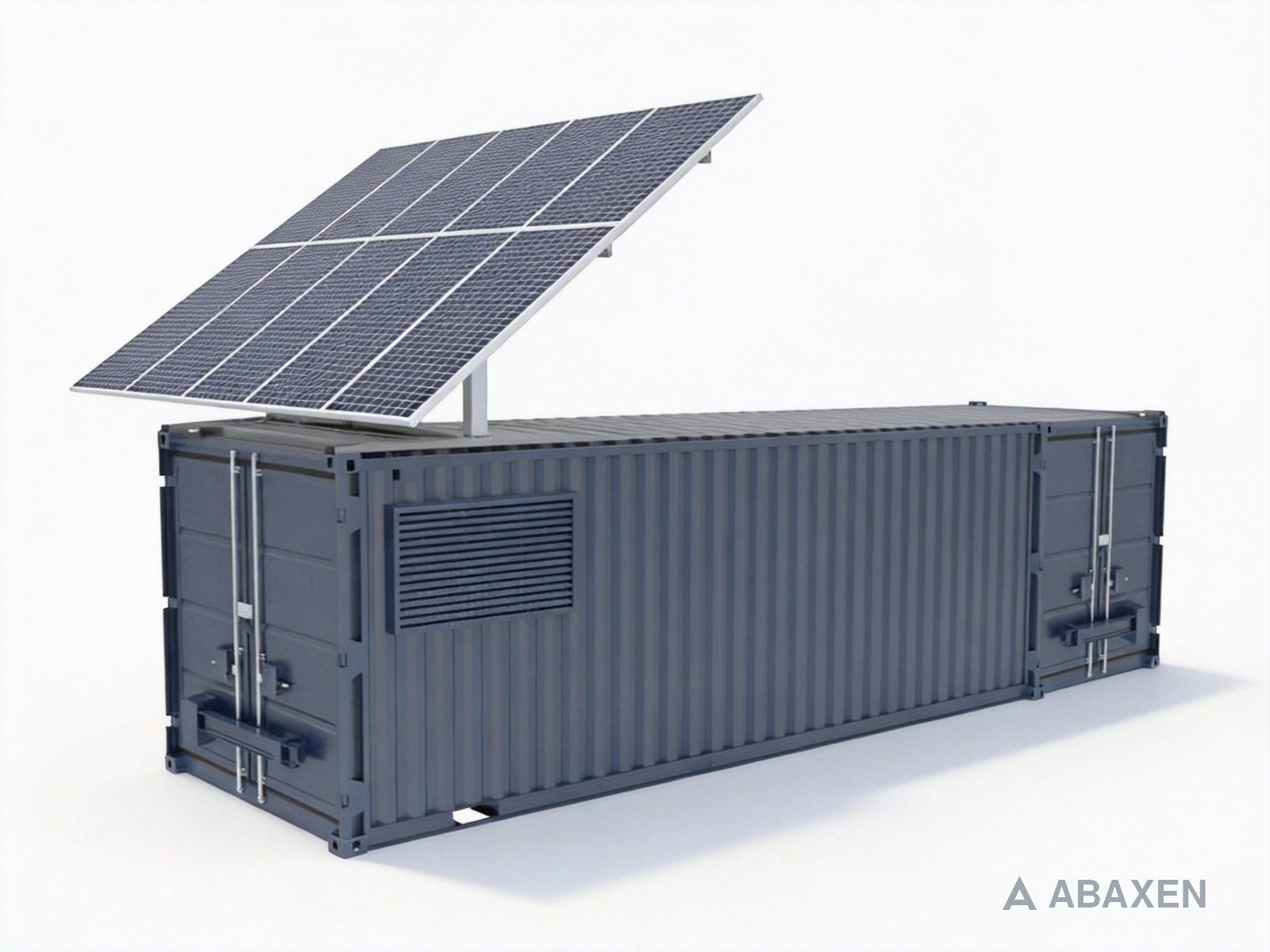
| Enclosure | 20 ft ISO container, insulated, IP55 |
| PV array | 25–30 kWp, ground or roof mounted |
| Storage | 40–50 kWh LFP with BMS |
| DC plant | −48 V rectifier bank, 600 A, N+1 |
| Backup | 15 kW generator interface with auto start/stop |
| Monitoring | SNMP + 4G gateway, alarm to NOC |
| Autonomy | 12–24 hours without solar or generator |
Smaller sites use the 10 ft variant (12–15 kWp / 20–25 kWh) or the D02 outdoor cabinet.
Payback, With the Assumptions Shown
At a typical 3 kW average load and $1.10/litre diesel, a solar-hybrid conversion displaces 60–70% of fuel. Payback typically falls in the 2.5–4 year range, depending on:
- Local irradiance (5.5 kWh/m²/day versus 4.0 changes the answer by years)
- Diesel price and delivery premium
- How much load shedding you accept on consecutive cloudy days
- Whether the existing generator is retained as backup or removed
We will run the numbers on your actual site data rather than publish a number that flatters us.
What a Deployment Looks Like
- Week 1 — site survey: load logging for 7 days, irradiance estimate, fuel records review
- Week 2 — sizing and proposal: configuration, bill of materials, payback model on your data
- Week 3–6 — factory build and FAT: container wired and load-tested before shipment
- Week 7–8 — shipment and commissioning: two engineers, five days per site
- Ongoing — remote monitoring with quarterly performance reports
Send Us Your Site List
Site name, country, average DC load, current diesel consumption, diesel price. A spreadsheet is enough.